

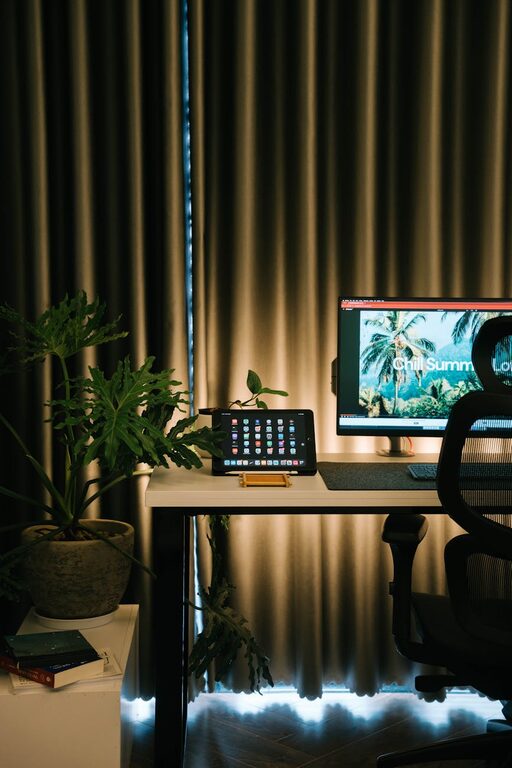
Creating a home office that is both relaxing and productive is essential for anyone working remotely or spending significant time at home on work-related tasks. A well-designed space can improve focus, reduce stress, and make working from home a more enjoyable experience. In this post, we’ll explore practical tips to help you set up a home office that supports your productivity while also promoting relaxation.
Choose the Right Location
Finding the best spot for your home office lays the foundation for a successful workspace.
– Quiet and Private: Choose a room or corner away from high-traffic areas, noise, and distractions.
– Good Lighting: Natural light is ideal; position your desk near a window if possible. If not, invest in quality lighting that reduces eye strain.
– Comfort and Accessibility: Ensure the space is comfortable and easily accessible — not tucked into an inconvenient or uncomfortable place.
Invest in Ergonomic Furniture
Proper furniture keeps your body comfortable during long work hours and helps prevent aches and injuries.
– Chair: Select an ergonomic chair with adjustable height, lumbar support, and comfortable cushioning.
– Desk: A desk at the right height allows you to maintain good posture. Sitting desks, standing desks, or adjustable models can add variety.
– Accessories: Consider ergonomic accessories like a keyboard tray, footrest, or monitor stand to optimize your posture.
Keep Your Space Organized
Clutter can be distracting and make it difficult to focus. Organizing your workspace contributes significantly to productivity and mental clarity.
– Declutter Daily: Put away unnecessary items and maintain a tidy desk.
– Storage Solutions: Use shelves, filing cabinets, or desk organizers to keep documents and tools in place.
– Cable Management: Use cable organizers or clips to prevent cords from tangling and creating a mess.
Create a Calming Atmosphere
A relaxed environment helps reduce stress and creates a positive mindset.
– Color Choices: Soft, neutral colors or muted tones can create a soothing backdrop.
– Plants: Adding greenery improves air quality and adds a natural, calming touch.
– Personal Touches: Include items that inspire or motivate you — such as artwork, photos, or meaningful objects — without overloading the space.
Optimize Technology and Connectivity
Smooth technology setup minimizes interruptions and enhances your ability to work efficiently.
– Reliable Internet: Ensure stable, high-speed internet to avoid connection issues.
– Quality Equipment: Use an efficient computer, good headphones or speakers, and a proper microphone for meetings.
– Backup Plan: Have backup devices or alternative internet options in case of technical emergencies.
Set Boundaries and Routine
Maintaining a clear boundary between work and personal time improves work-life balance.
– Defined Work Hours: Stick to a schedule to prevent overworking.
– Break Spaces: Designate a separate area or step away from your desk during breaks to recharge.
– Limit Distractions: Turn off non-essential notifications and inform household members about your work schedule.
Incorporate Movement and Comfort
Moving regularly during the day supports physical and mental well-being.
– Take Short Breaks: Stand, stretch, or take brief walks every hour.
– Comfort Items: Keep a water bottle, healthy snacks, and items like wrist rests or cushions to stay comfortable.
– Consider Standing Desks: Alternating between sitting and standing can reduce fatigue.
Use Sound to Your Advantage
Sound plays a significant role in focus and relaxation.
– Noise Reduction: Use noise-canceling headphones or soundproof the room if external noise is an issue.
– Background Music: Soft instrumental music or ambient sounds can improve concentration.
– Silence: Sometimes, complete quiet is best. Find what works for you.
Keep it Well-Ventilated and Comfortable
Good air quality and a comfortable temperature help maintain alertness and comfort.
– Ventilation: Open windows when possible or use air purifiers.
– Temperature Control: Use fans, heaters, or air conditioning to maintain a comfortable environment.
– Natural Light and Fresh Air: Exposure to natural elements positively influences mood and energy.
—
By thoughtfully designing your home office space with these tips in mind, you can create an environment that not only enhances your productivity but also keeps you calm and focused throughout your workday. The key is balancing comfort with functionality to make your workspace truly your own.